How to Tell If Your Pool Is Leaking | Gold Coast Guide
LeakNPool has put together the 10 most important signs your pool may be leaking, plus simple tests to confirm it
1. Faster-Than-Normal Water Loss
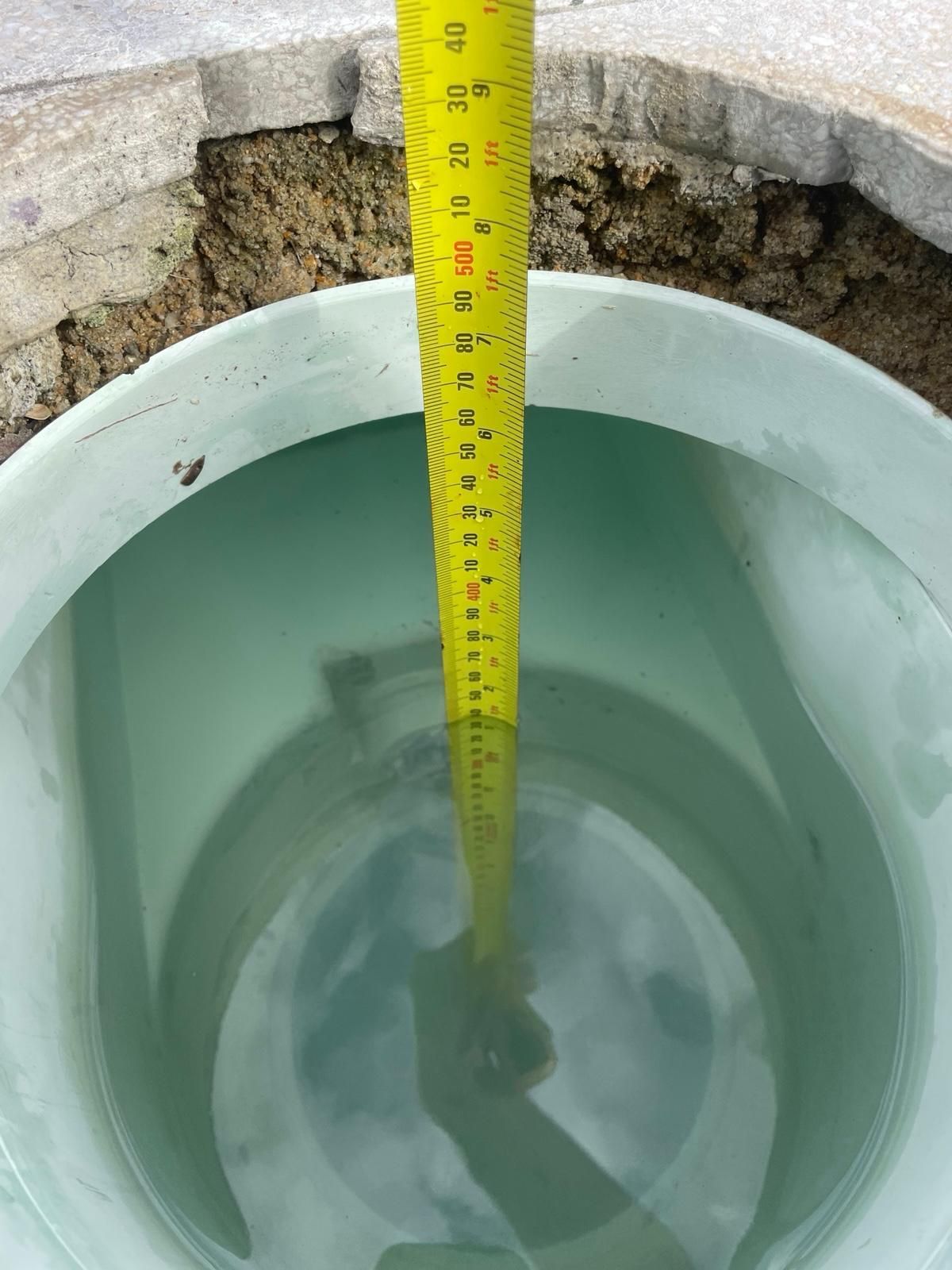
Gold Coast weather, especially through summer, causes natural evaporation. A normal pool may lose 3–5 mm per day in hot conditions. But if your water level is dropping more than 10 mm per day, that’s not evaporation… that’s likely a leak.
Tip: Turn off your auto-top-up to monitor true water loss.
2. You’re Refilling the Pool More Often
If you’re adding water once or twice a week, or your auto-fill is constantly running, your pool is compensating for water escaping somewhere else.
In suburbs like Oxenford, Labrador, or Helensvale, where soils can shift after rain, this is a common red flag.
3. Soggy or Wet Areas Around the Pool
If you feel soft or mushy spots around the yard—especially near:
- Return lines
- Pool equipment
- Plumbing trenches
- Paved areas
…it often points to an under-ground plumbing leak.
This is especially common on the southern Gold Coast, where sandy soil allows water to spread quickly.
4. Cracks in the Pool, Tile, or Surrounding Deck
Gold Coast pools, especially older concrete ones, often develop small structural cracks.
Signs to look for:
- Hairline cracks in plaster
- Loose or hollow tiles
- Gaps between coping and concrete
Even tiny structural changes can allow steady leaks.
5. Air Bubbles in the Return Jets
If your pool returns are blowing bubbles or making gurgling sounds, air is entering the plumbing system—usually through a suction-side leak.
This can happen when underground pipes shift slightly, especially after heavy rain or intense heat.
6. Unusual Spike in Water, Chemical, or Power Bills
A leak means:
- More water added
- More chemicals to balance
- More electricity to circulate diluted water
Many Gold Coast homeowners first discover leaks after a sudden increase in their quarterly water bill.
7. Algae or Cloudy Water
Gold Coast pools are prone to algae thanks to warm weather. But if your water turns green despite proper maintenance, a leak may be diluting chemicals faster than you can add them.
Leaks destabilise:
- Chlorine levels
- Stabiliser
- pH
- Salt concentration
This is incredibly common in saltwater pools across the Gold Coast.
8. Dirt or Sand Appearing Inside the Pool
This is a major sign of a broken underground pipe, often caused by shifting ground or soil erosion.
If you start seeing sand re-enter the pool, especially after storms, the plumbing line may be cracked.
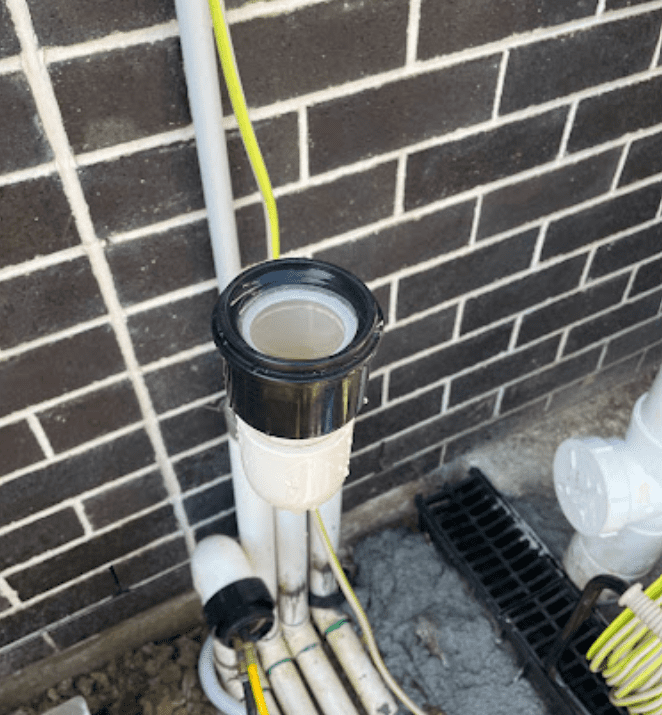
9. Drips or Moisture on the Equipment Pad
Check the equipment area for:
- Pump leaks
- Valve drips
- Cracked filters
- Heater unions are leaking
- Wet concrete around pipework
Gold Coast humidity can mask slow leaks, so look carefully.
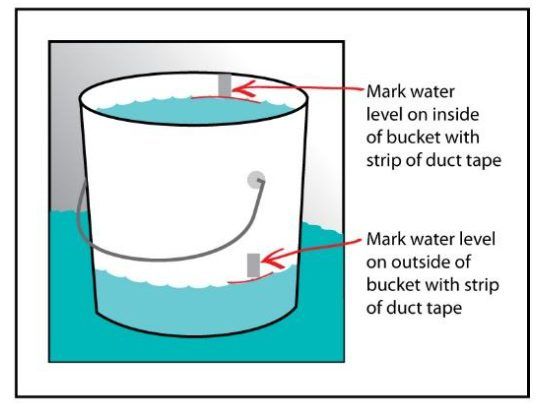
10. The Bucket Test Shows a Drop
The bucket test is the simplest way for Gold Coast homeowners to confirm a leak.
How to do it:
- Fill a bucket with pool water
- Place on a pool step
- Mark the water levels
- Wait 24 hours
If the pool level drops more than the bucket level, there’s a leak.
If you live anywhere on the Gold Coast, from Pimpama and Coomera in the north to Coolangatta in the south, your pool is one of your favourite parts of the home. But with our coastal climate, sandy soils, and hot summers, pool leaks are more common here than most people realise.
Whether you’re in Southport, Broadbeach, Robina, Burleigh Heads, Palm Beach, or Currumbin, detecting a pool leak early can save you thousands in repairs and water bills.
Why Pool Leaks Are Common on the Gold Coast
The Gold Coast has conditions that make leaks more likely:
- Sandy coastal soil in suburbs like Palm Beach, Burleigh, and Miami.
This shifts easily, putting pressure on underground pipes. - Clay pockets in northern Gold Coast like Coomera and Upper Coomera.
Clay expands and contracts, causing plumbing movement. - Heavy summer rain and storms.
Rapid soil saturation displaces PVC plumbing. - High UV exposure.
Breaks down seals, fittings, and equipment faster.
That’s why an expert leak detection team familiar with local ground conditions is essential.
Your Gold Coast Leak Detection Specialists
When to Call LeakNPool
If you live anywhere on the Gold Coast and suspect your pool has a leak, from north Gold Coast to south Gold Coast, LeakNPool can pinpoint the issue using:
- Electronic leak detection
- Pressure testing
- Underwater acoustic equipment
- Dye testing
- Advanced plumbing diagnostics
We service:
Coomera, Pimpama, Oxenford, Helensvale, Labrador, Southport, Mermaid Waters, Broadbeach, Robina, Varsity Lakes, Burleigh, Palm Beach, Currumbin, Tugun, Coolangatta, and surrounding areas.
Final Thoughts
A pool leak never gets better on its own, it only becomes more expensive over time. By watching for early signs and contacting a local specialist, you can prevent major damage and protect your pool investment.
If you’re anywhere on the Gold Coast and think your pool may be leaking,
LeakNPool can locate and diagnose the problem quickly and accurately.