Common Causes of Pool Leaks | Leak n Pool
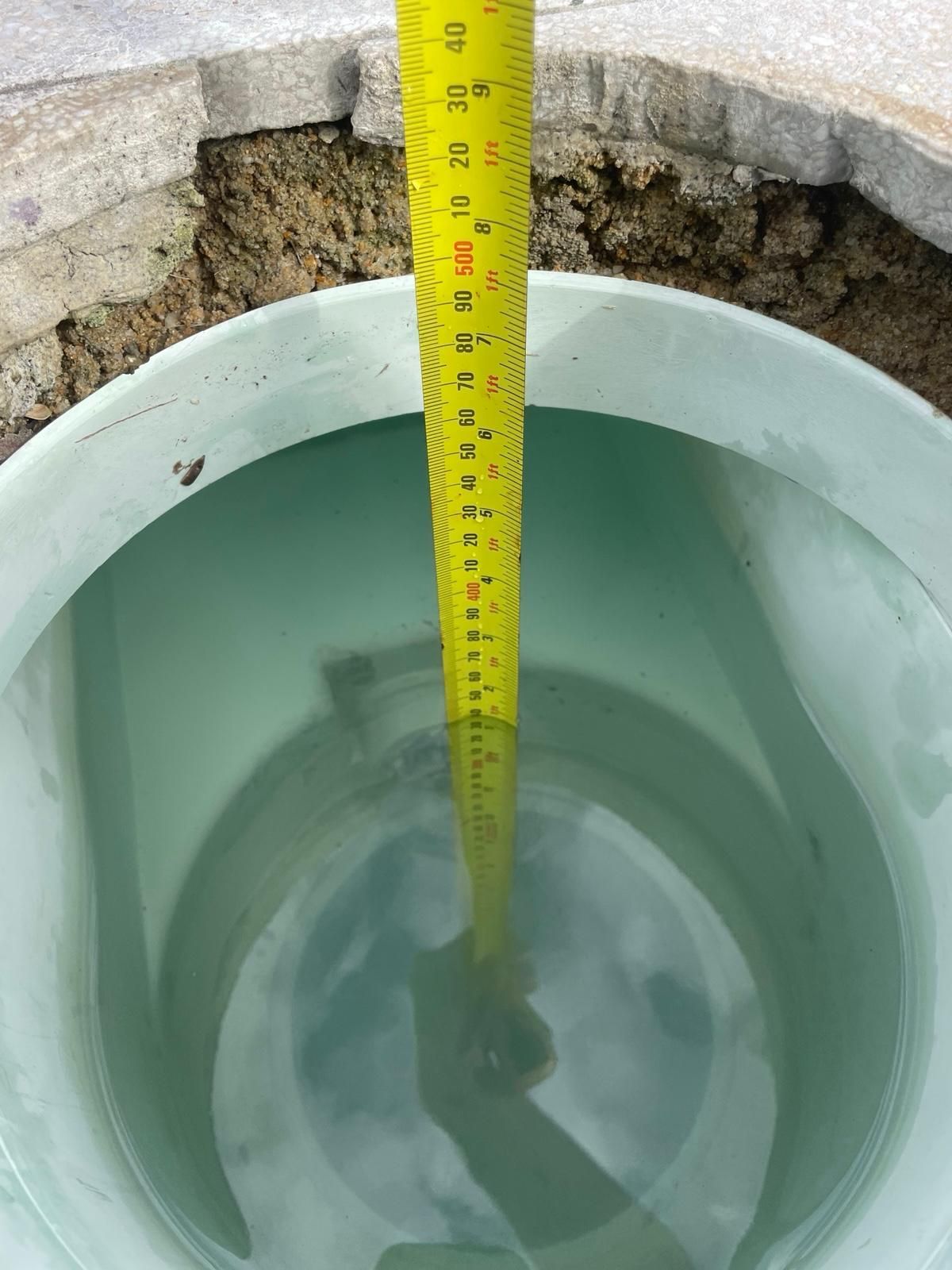
Pools are one of the best forms of entertainment and relaxation for many people and shouldn’t be a source of stress. Unfortunately, even a small leak can mean an increased water bill, damage to equipment, additional cost for chemicals and expensive repairs if left untreated.
Understanding what causes pool leaks is the first step to identifying them early and in some cases preventing them.
Structural Cracks – Often the Easiest to Spot
All pools are built with the structural integrity to last decades in place, however, overtime shifting soil, ground movement and harsh weather conditions can cause the pool shell to move resulting in cracks in the pool walls or floor.
The most common areas for cracks include:
- Around the skimmer
- Underwater lights
- Pipe penetrations
If your pool is tiled, movement can compromise grout, allowing water to seep behind tiles causing them to loosen or fall off. Early sealing of small cracks in the grout lines can save you time and money in the long run.
Main Drain & Hydrostatic Vale Issues
The main drain at the bottom of the pool can also be another common leak point. Most pools have a hydrostatic valve within the main drain that over time can wear and fail.
The job of the hydrostatic valve is to ensure equalization of the ground water underneath doesn’t cause significant movement or damage to the structure of the pool, by releasing ground water into the pool when required to release pressure.
These are easily replaced by one of our friendly technicians for a small extra charge.
Leaks in Pool Plumbing
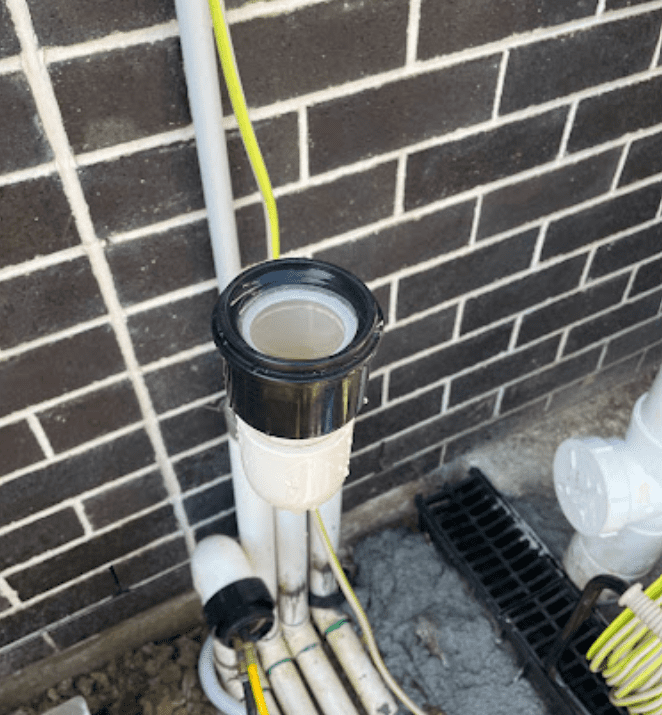
Pool plumbing includes the pipes that run from your pool to the pump. If you have a spa, it will have its own plumbing as well.
Unfortunately, most of the time this plumbing is buried underground and quite often under concrete or paving, making it difficult to spot issues with leaks.
Common Signs of Plumbing Leaks
- Pool cleaner or vacuum not working correctly
- Air in the pump causing it to lose prime
- Excessive bubbles coming through the return jets
- Unexplained water loss
What Causes Plumbing Breaks?
The most common issues we encounter include:
- Tree root intrusion
- Shifting soil
- Ageing pipework
- And unfortunately, in some cases poor installation
How Can I Test If I Have a Leak?
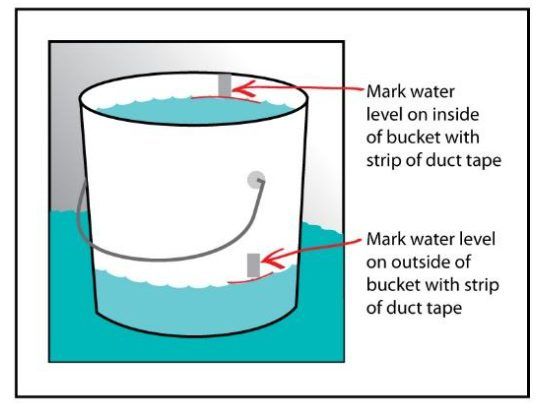
As we’ve previously discussed in an earlier blog, the best way to test for a pool leak is to conduct a bucket evaporation test.
- Fill a bucket with pool water and place it on the pool step or swimout area
- Mark the water level inside the bucket
- Mark the pools water level on the outside of the bucket
- Wait 48 hours without swimming or running the equipment
- Compare the levels
If the pool water has dropped significantly to the bucket water level, you know that there is likely a leak.
If the bucket test comes back positive for a pool leak, we can help. Call us to discuss your findings and we can arrange for one of our friendly technicians to visit and conduct non-invasive testing to determine the exact issue and we can offer a solution for repair.