Pool Leak Detection
on the Gold Coast
Get in Touch
Thank you for contacting Leak N Pool.
We will get back to you as soon as possible.
Oops, there was an error sending your message.
Please try again later.
Thank you for contacting Leak N Pool .
We will get back to you as soon as possible.
Oops, there was an error sending your message.
Please try again later.
Frequently Asked Questions
How much does a leak detection cost?
This is dependent on the type of pool you have such as a concrete pool, vinyl liner or fibreglass pool, and what additional features are present. When you call, our team we will ask a series of questions to be able to give you an accurate quote and timeframe for the investigation.
What do I need to do to prepare for a leak detection?
All that is required is that the pool is full clean and clear for us to conduct all testing on the day. Debris on the bottom of the pool can cause visibility issues which hamper testing. Vacuuming the pool prior to our arrival is ideal to ensure there's no residual debris to cause cloudiness.
How much water loss in a pool is normal?
It’s normal for swimming pools to lose a small amount of water each day due to evaporation, splash-out and backwashing. In most conditions, a typical pool will lose about: 3–5 mm per day (around 20–35 mm per week) from evaporation alone. Slightly more during hot, windy weather or when the pool is used frequently. Factors that increase normal water loss include:
- Hot temperatures & direct sunlight
- Wind moving across the water surface
- Low humidity
- Heated pools
- Heavy swimming activity or splashing
Water loss may indicate a leak if:
- Your pool is losing more than about 5–7 mm per day
- You need to top up the pool frequently
- The water level drops even when the pump is off and the pool isn’t being used
- Your pump system is pulling air & bubbles are returning through the lines
Please refer to our blog on the bucket test for further information and a guide to perform your own test prior to calling us.
What are the signs my pool has a leak?
Unusual water loss: If your pool is losing more water than normal evaporation (typically more than a few millimetres per day), it may indicate a leak.
Frequent need to to top up water: Constantly refilling the pool to maintain the water level can be a sign of a hidden leak.
Wet or soggy areas around the pool: Damp soil, puddles or unusually green grass near the pool may indicate leaking underground plumbing.
Cracks in the pool shell or surrounding tiles: Structural movement or visible cracks can sometimes allow water to escape.
Air bubbles in the return lines or pump losing prime: This may suggest a leak in the suction-side plumbing.
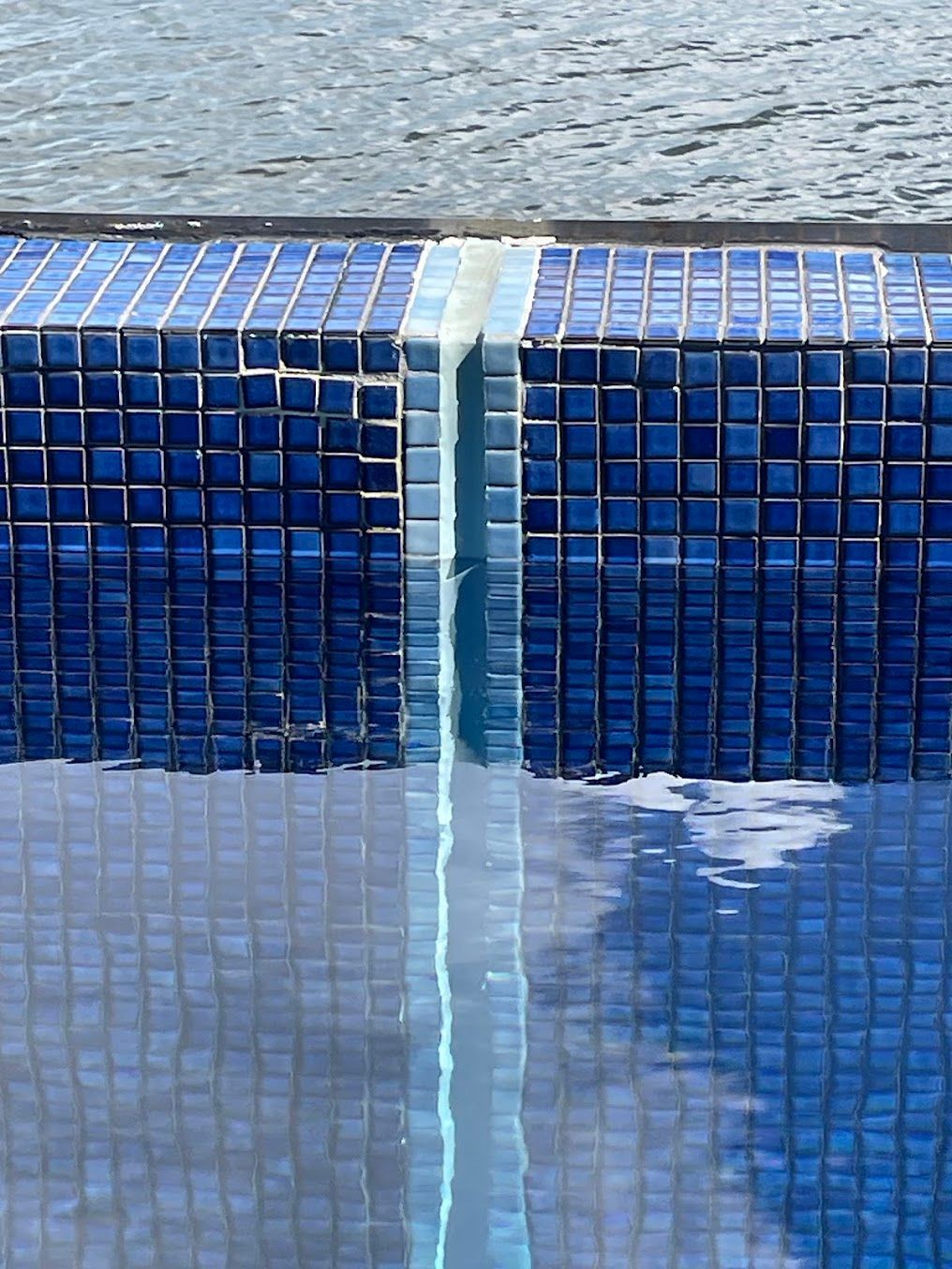
Loose or falling tiles: Water leaking behind tiles can weaken adhesives and cause them to detach.
Can underground pool lines crack?
Yes, underground pool plumbing lines can crack or develop leaks over time. These pipes carry water between the pool, pump, filter and return jets, and because they are buried underground, they can be affected by several external factors. Common reasons underground pool lines crack include:
Ground movement or soil shifting: Changes in soil conditions or natural settling can place stress on buried pipes.
Tree root intrusion: Roots can grow around or against plumbing lines and eventually cause damage.
Age and material wear: Older PVC pipes or fittings may become brittle and crack over time.
Poor installation: Pipes that were not properly supported or backfilled during installation can become stressed and fail.
Freezing temperatures: In colder climates, water freezing inside pipes can cause expansion and cracking.
Signs of a possible underground plumbing leak include:
- The pool losing water faster than normal evaporation
- Air bubbles coming from return jets
- The pump struggling to maintain prime
- Wet or unusually green areas around the pool or equipment line
Because these pipes are hidden underground, professional pressure testing and acoustic leak detection are usually used to confirm whether a plumbing line has cracked and to locate the exact leak point before repairs begin.
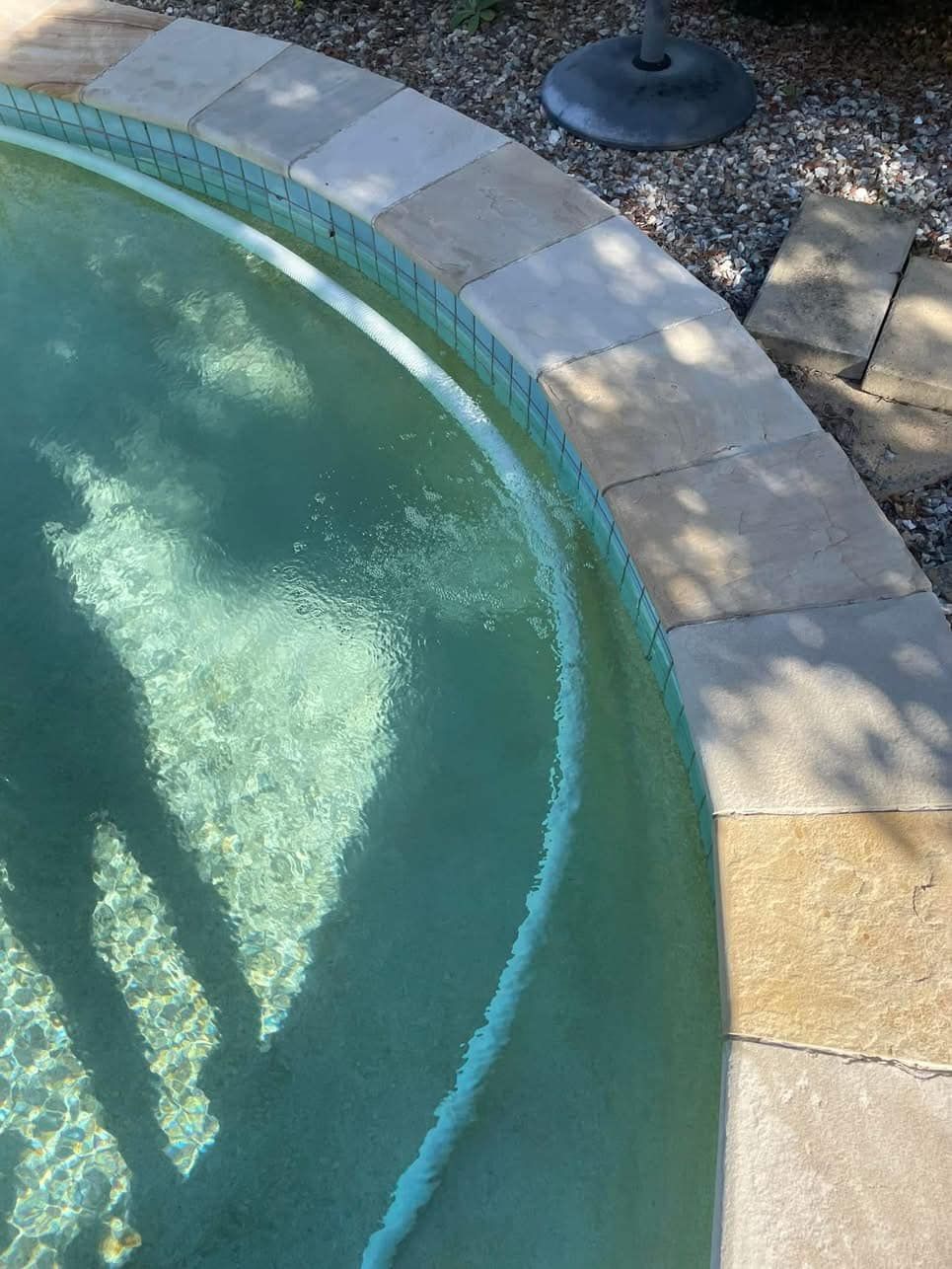
Stop Losing Water Fast
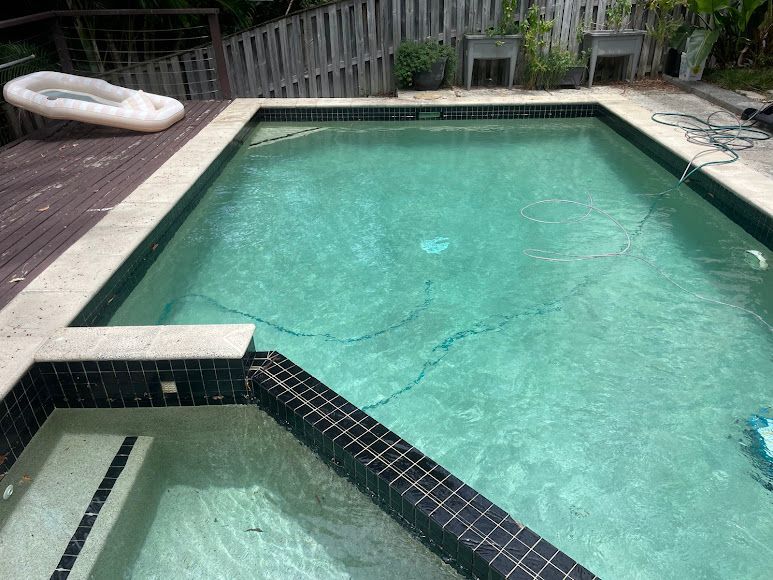
If your pool water keeps dropping and you cannot work out why, it is time for proper pool leak detection. At Leak N Pool on the Gold Coast, we pinpoint leaks accurately so you are not topping up water week after week.
We Inspect It All
Some leaks are inside the pool itself. We inspect fittings, lights, skimmers and surfaces underwater to locate cracks or failed seals that slowly drain water without obvious signs.
Pressure Testing Systems
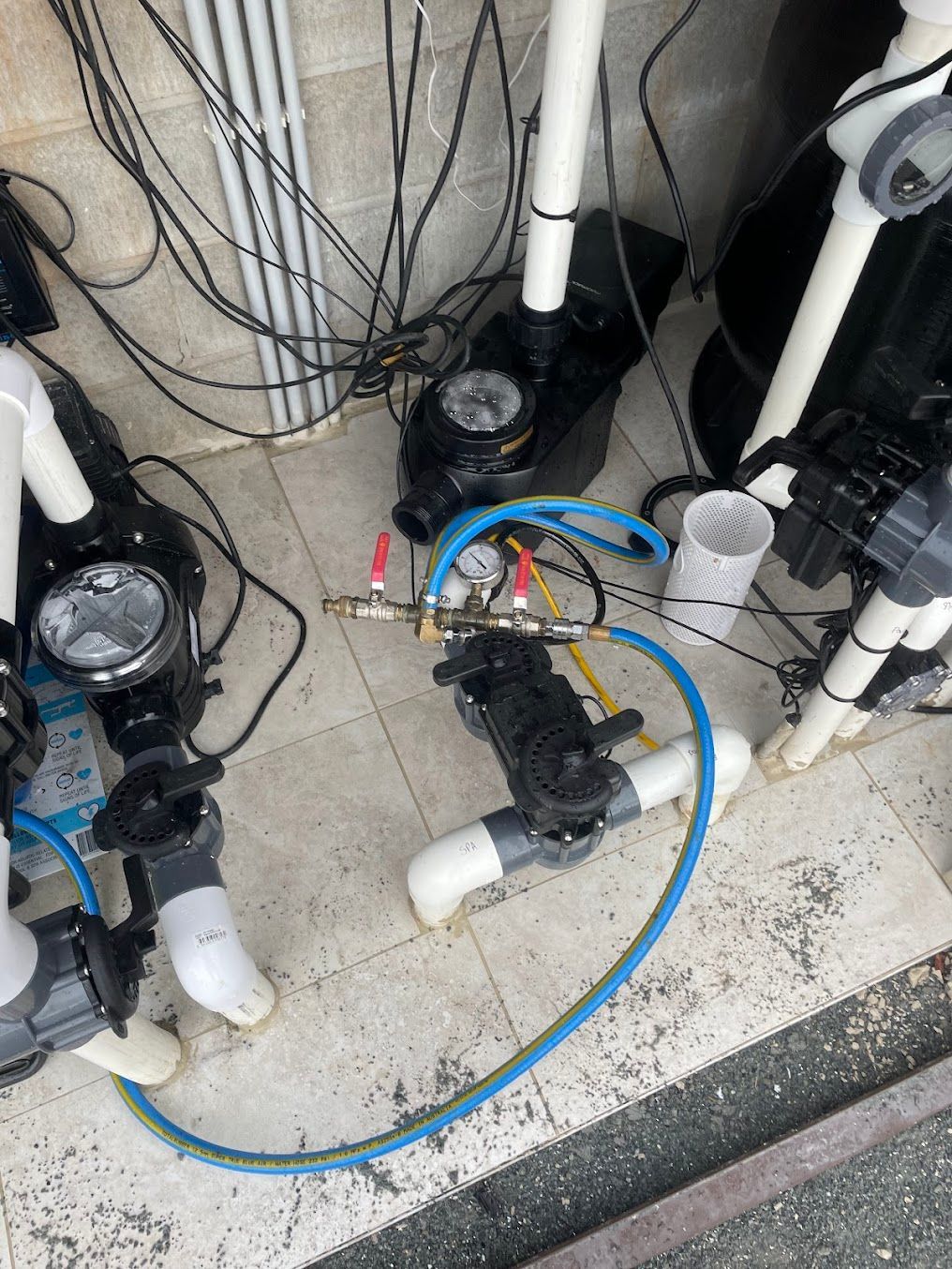
When other methods are inconclusive, we will use pressure testing to check underground lines and return pipes for hidden leaks. This helps identify whether the issue sits in plumbing, fittings or elsewhere, saving time and avoiding unnecessary digging.
Targeted Repairs
Instead of guessing, we narrow the problem down to the exact source. That means repairs can be targeted properly, reducing disruption and preventing small leaks from turning into structural damage.
If your water levels are dropping and you suspect a problem, call 0401 722 073 to book professional pool leak detection on the Gold Coast.
What Our Clients Say
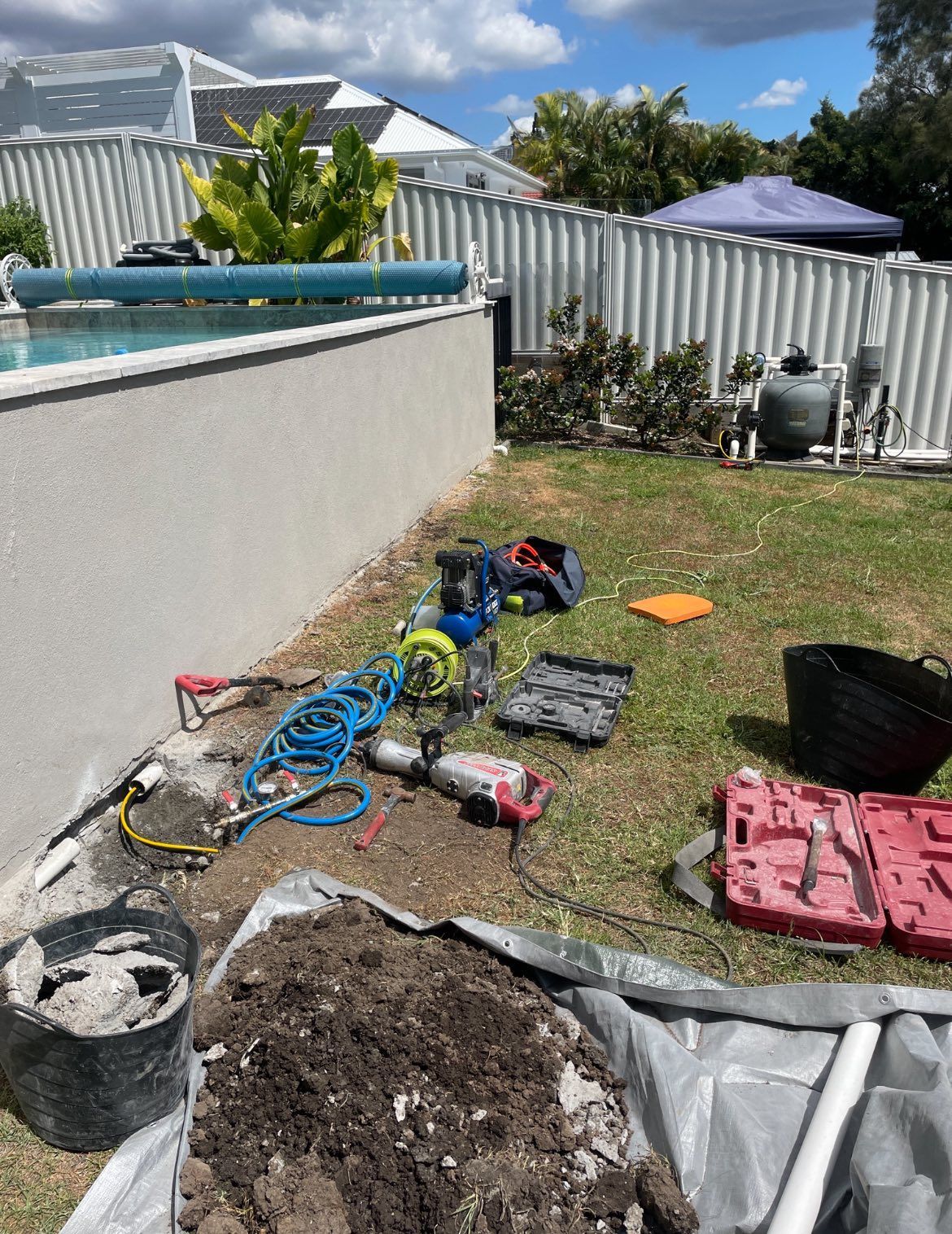
How We Track The Leak
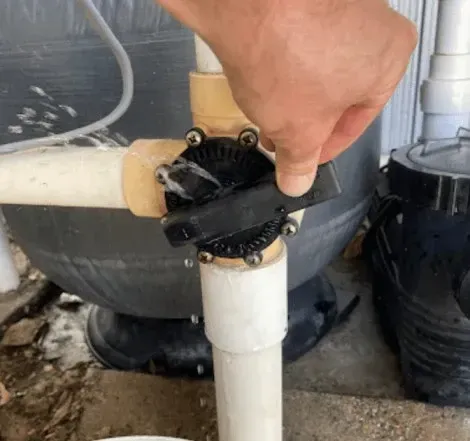
Pool leak detection is not a quick glance around the waterline. We isolate plumbing lines, test pressure levels and monitor how the system responds over time. This allows us to determine whether water loss is coming from underground pipework, fittings or the pool structure itself.
We also assess how your equipment is performing while testing is underway. Air in the system, pressure fluctuations or unusual pump behaviour can all point toward specific fault areas. By narrowing it down properly, we avoid unnecessary excavation and focus only on what actually needs repair.
Our Work